Fondazione Bisazza at Homo Faber 2026

Homo Faber 2026: An Island of Light
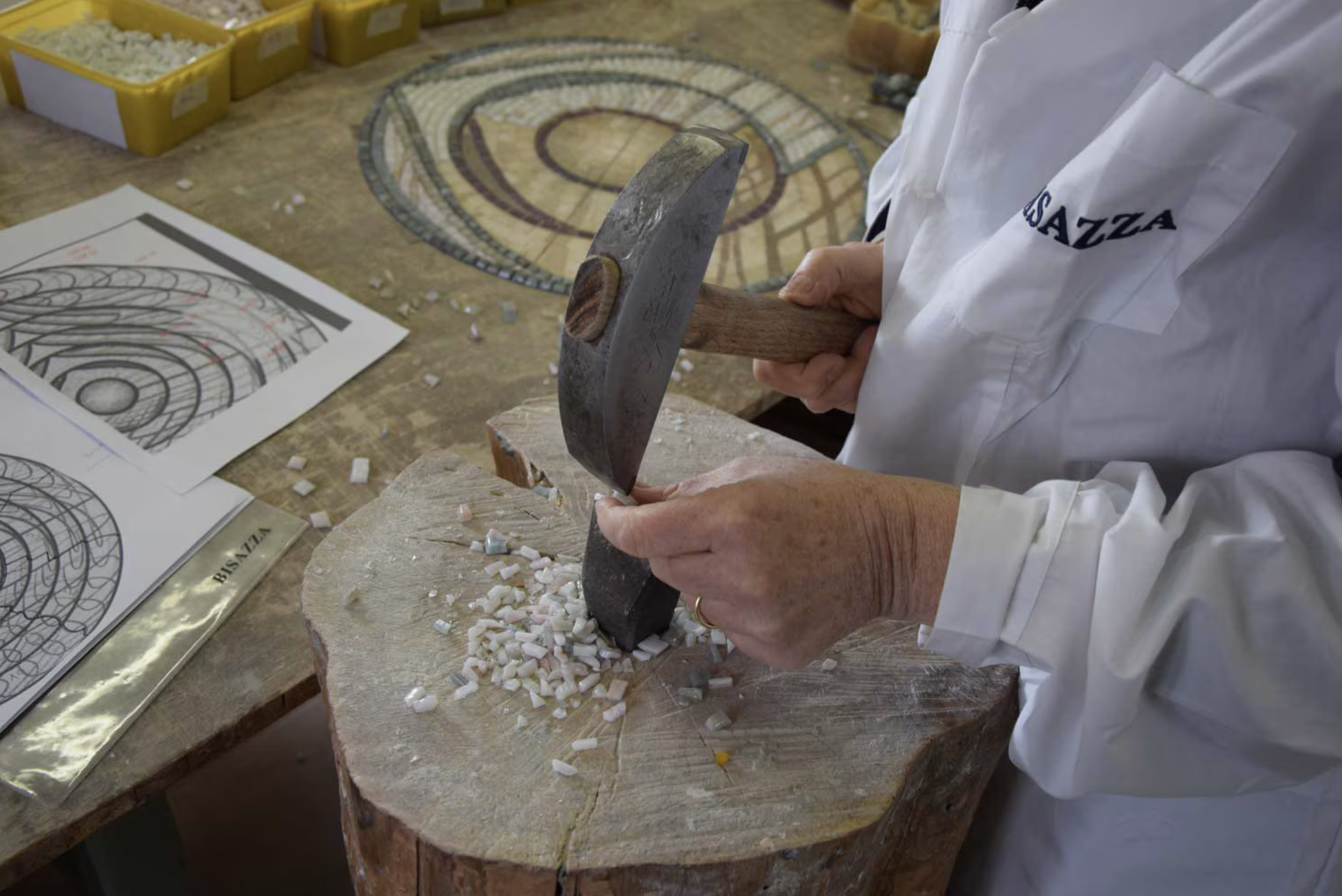
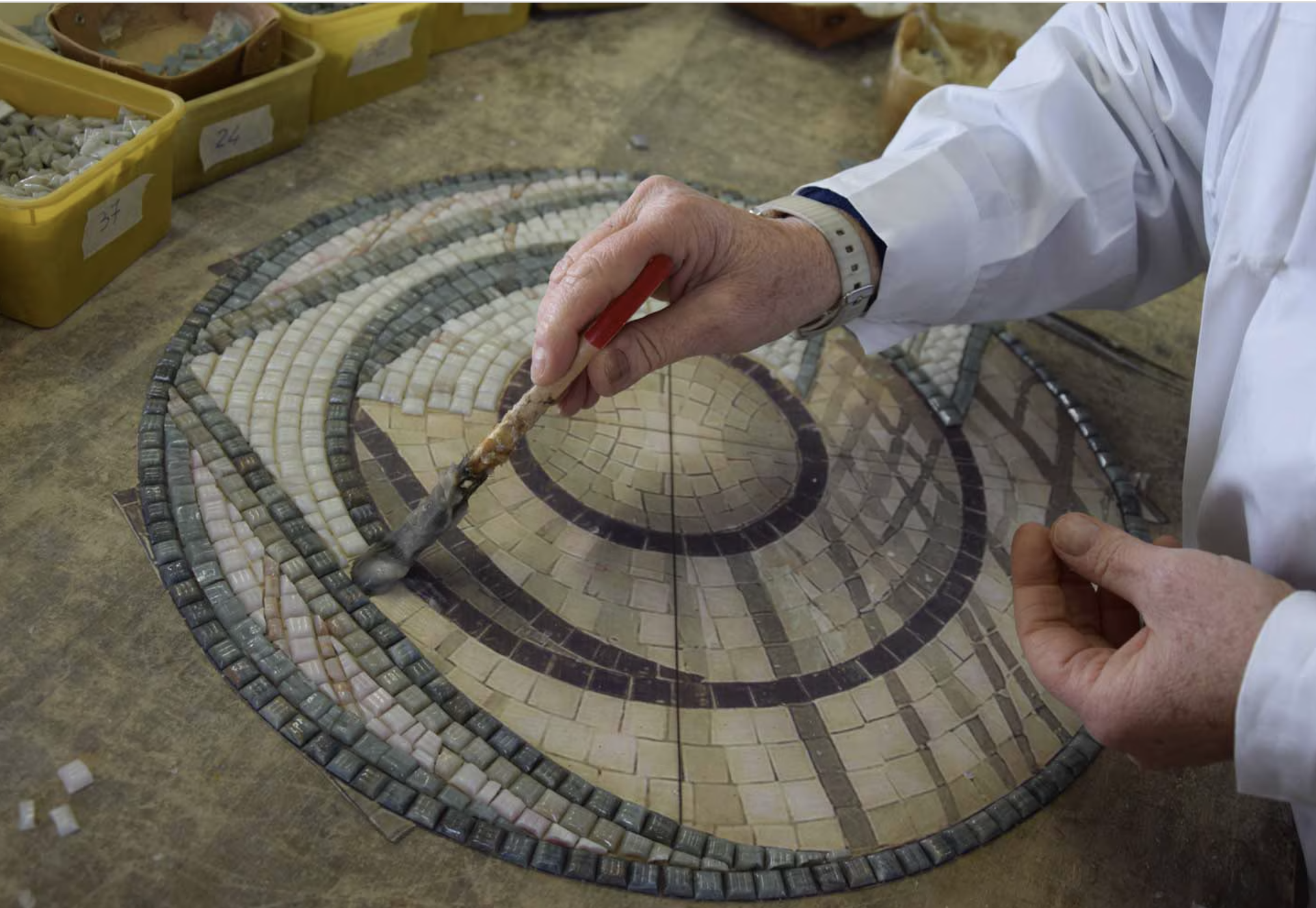
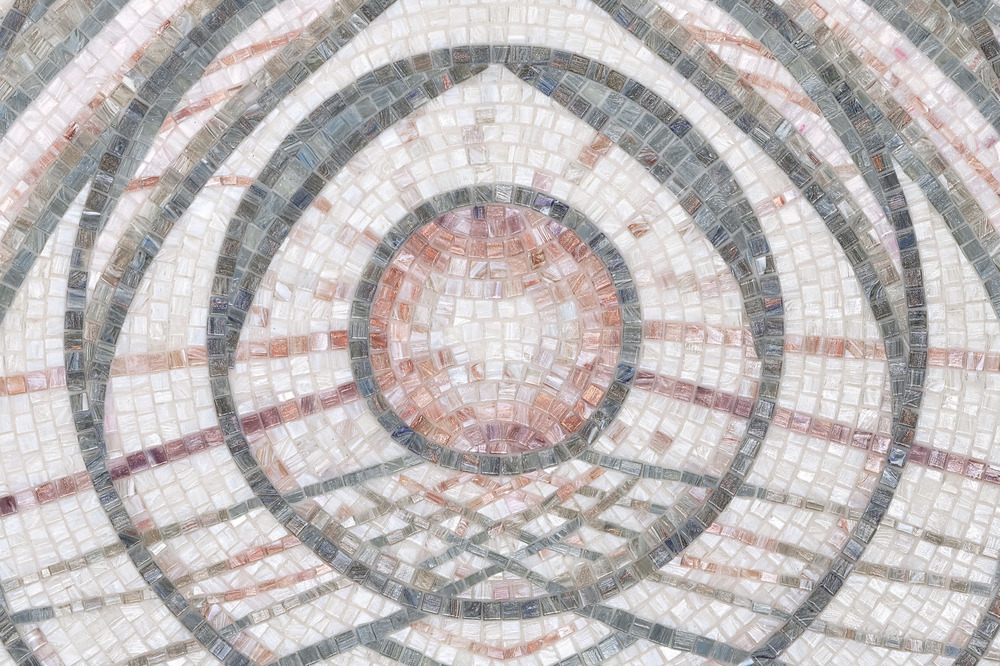
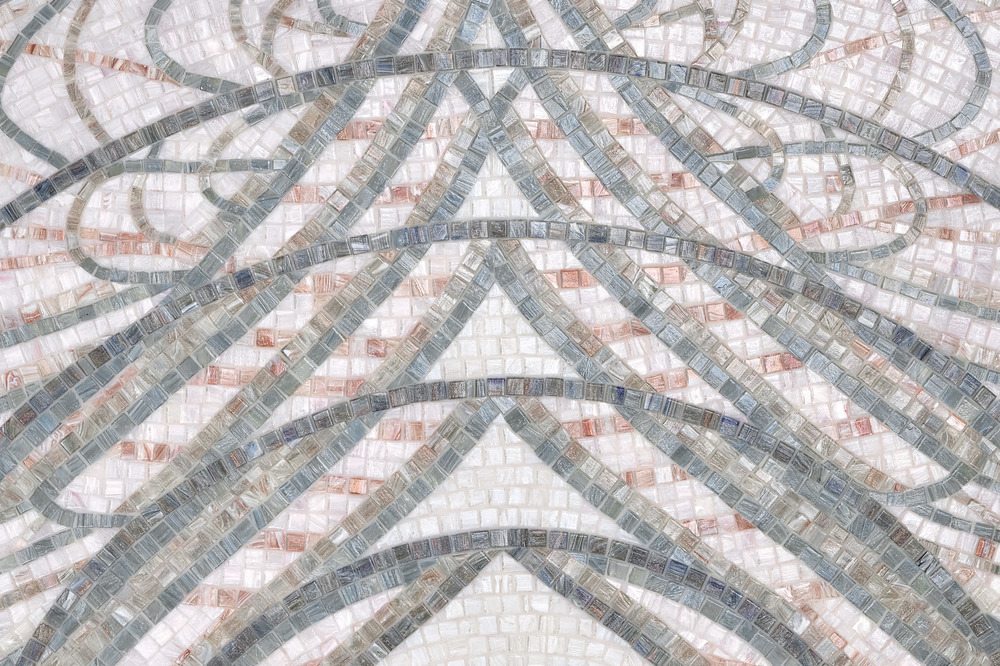
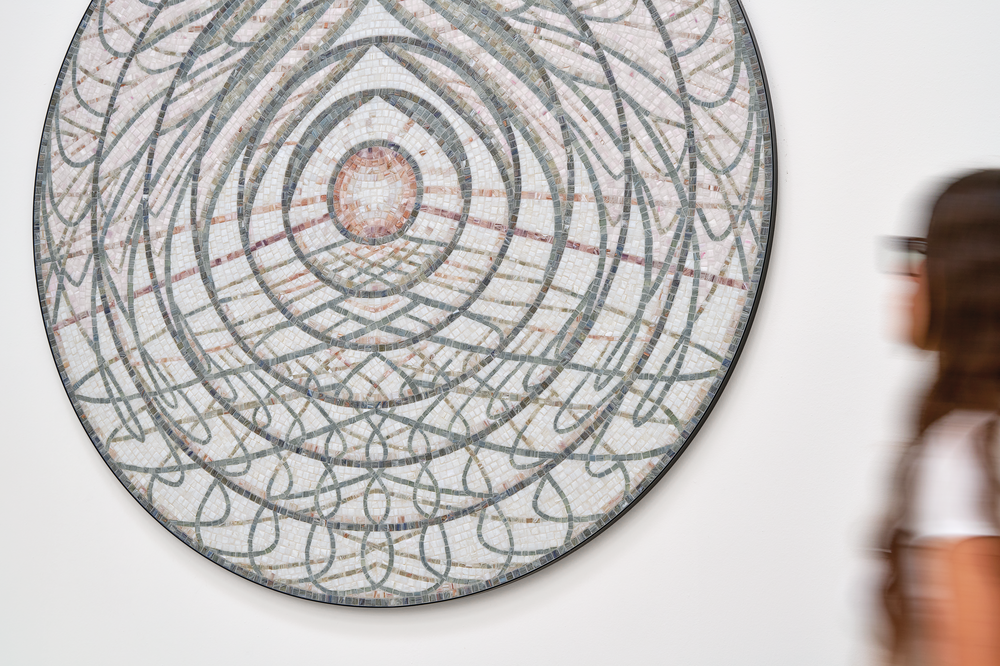
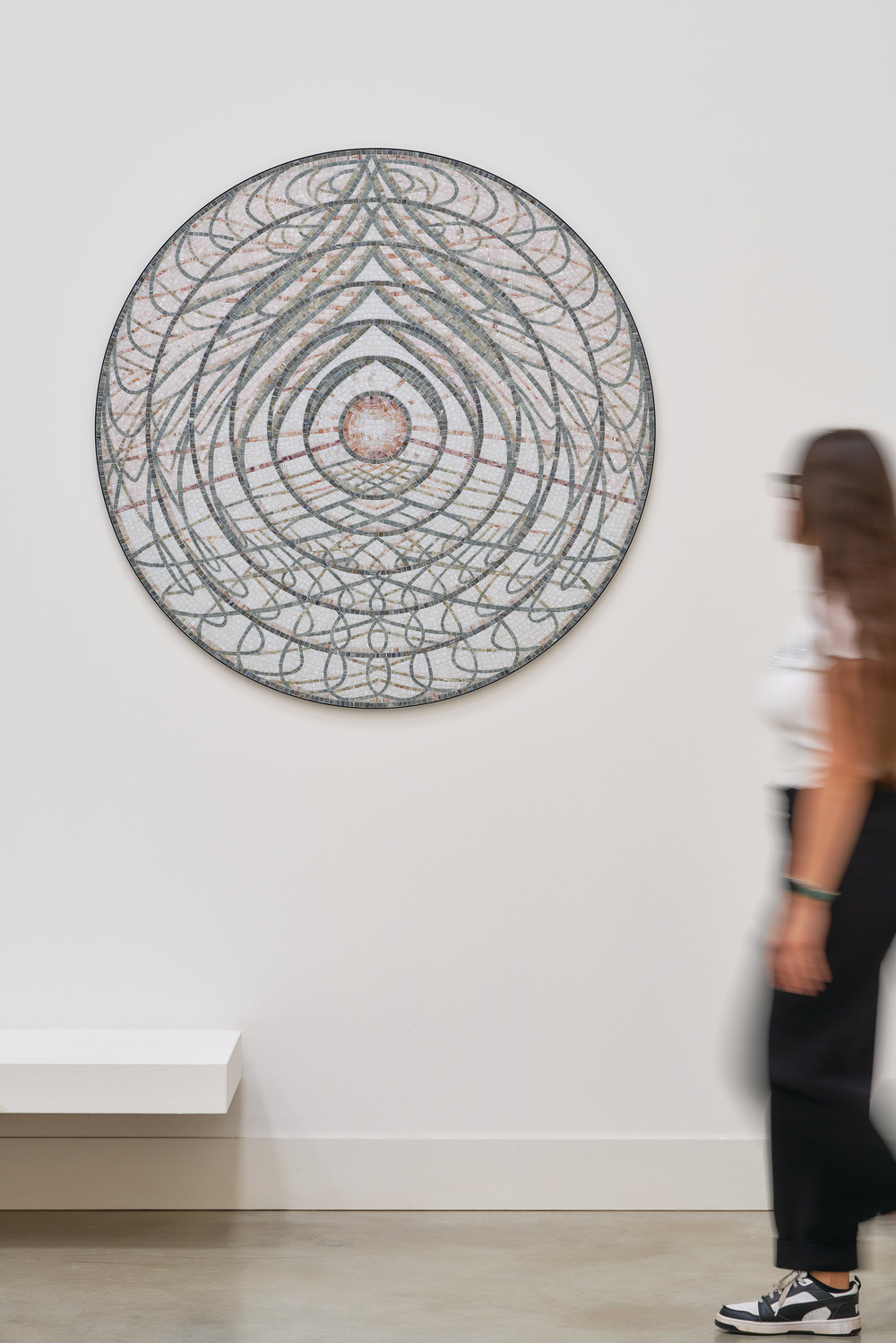
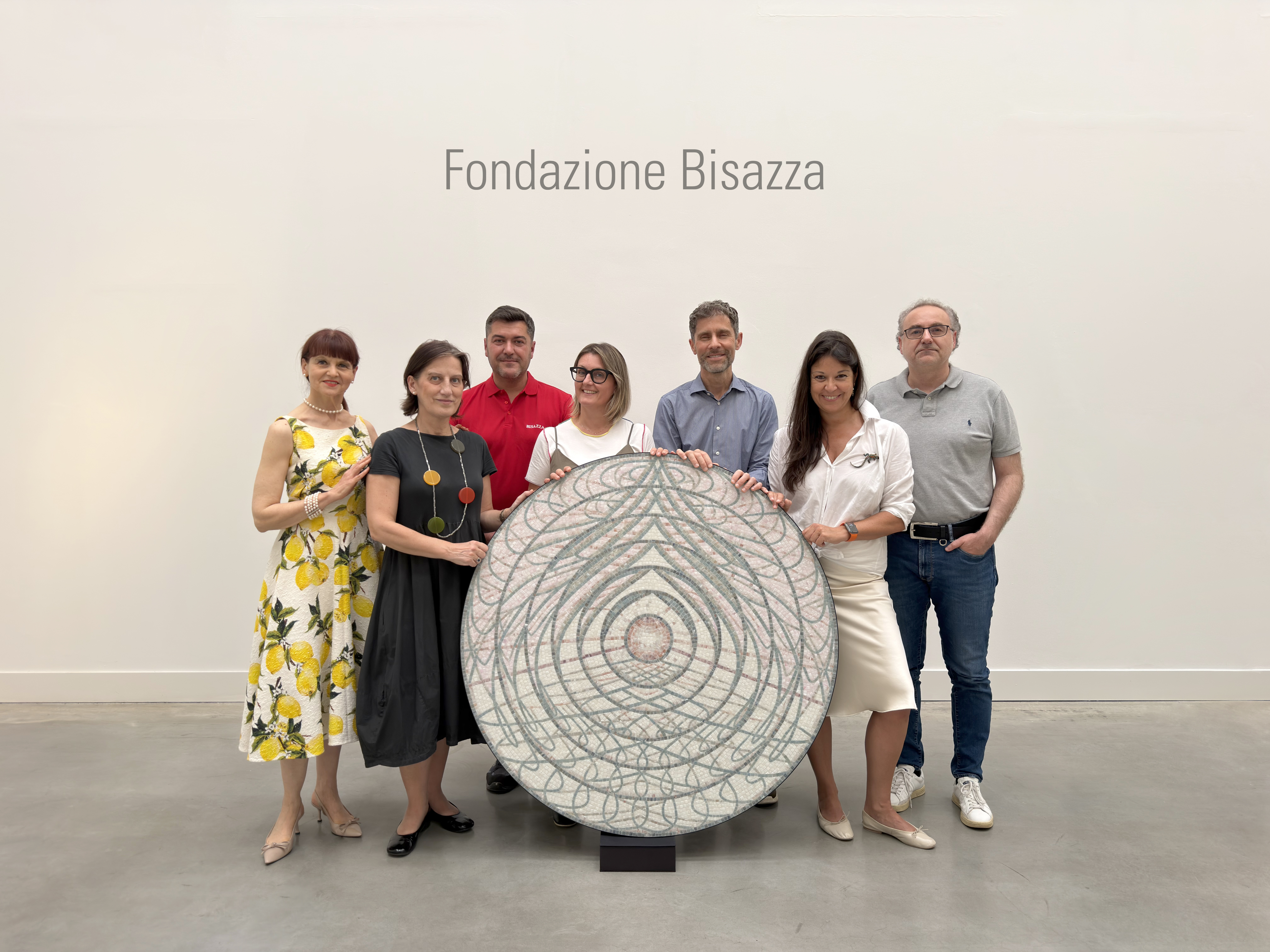
Fondazione Bisazza is pleased to take part in Homo Faber 2026 with a special project, reaffirming its commitment to fostering the dialogue between art, design, architecture and exceptional craftsmanship.
The event offers an important international platform for celebrating excellence in making and highlights the Foundation's ongoing dedication to promoting contemporary culture and artisanal expertise.
From 1 to 30 September 2026, Venice will host Homo Faber 2026: An Island of Light, the international celebration of contemporary craftsmanship organised by the Michelangelo Foundation and presented at Fondazione Giorgio Cini on San Giorgio Maggiore Island.
Under the artistic direction of Es Devlin, this edition draws inspiration from the Venetian lagoon, bringing together more than 800 works by over 400 master artisans from around the world.
Exhibition Information
Discover more and book your tickets at homofaber.com.
Homo Faber 2026 – An Island of Light
1–30 September 2026
Fondazione Giorgio Cini, Venice
Es Devlin illuminates the power and beauty of the human hand with Homo Faber 2026: An Island of Light
15 INSTALLATIONS SHINE A LIGHT ON GLOBAL CRAFTSMANSHIP
SAN GIORGIO MAGGIORE ISLAND, VENICE 1-30 SEPTEMBER 2026
The fourth edition of Homo Faber Biennial, the international celebration of contemporary craftsmanship, will put the work of craft artists from all over the world in the spotlight through 15 immersive installations staged on San Giorgio Maggiore island, Venice, in partnership with Fondazione Giorgio Cini and Fondazione Cologni dei Mestieri d'Arte.
Es Devlin, Artistic Director of this edition, has collaborated with master artisans throughout her 30-year career and has a deep respect for craftsmanship. For Homo Faber 2026: An Island of Light, she has created a concept that showcases the skills and talents of craft artists selected from around the globe by framing their work with light, a primordial force that is not only at the heart of Devlin's artistic practice but is also essential to craft, to raw materials and to human life.
The enhancement of human talent through the highlighting – both real and metaphorical – of artisanal and creative work is perfectly aligned with the mission of the Michelangelo Foundation for Creativity and Craftsmanship, a non-profit organisation based in Geneva that launched and implemented the cultural movement Homo Faber to promote master craftsmanship and creativity globally, celebrate its protagonists and increase their visibility.
Inspired by the archipelago of the Venetian lagoon, Devlin has imagined a narrative that unites the work of hundreds of individual craft artists from across the world – each an island of talent and skill within the wider waters of craftsmanship – on San Giorgio Maggiore. Their exceptional objects, selected by the Michelangelo Foundation, will be placed centre stage in a series of immersive installations within the magnificent rooms and grounds of Fondazione Giorgio Cini. By manipulating light through the use of water, mirrors, movement and more, Devlin will create a journey that illuminates the world of craftsmanship, from the craft artists themselves to their workshops, tools, materials and the exquisite objects they create. Together, these spaces will explore the relationship between light, materials, talent and creativity, revealing how master artisans can use this life-giving energy as a tool to create wonder and joy.
CRAFT ARTISTS IN THE SPOTLIGHT
The narrative begins the moment visitors step off the vaporetto onto San Giorgio Maggiore. Leaving behind the bustle of central Venice, they are welcomed into the tranquil environment of the first exhibition space, A Language of Hands. In this recreation of an artisan's atelier, visitors are invited to experience a craftsperson's typical workplace while a visual poem projected onto the wall introduces them to the exhibition and plunges them into the sounds and imagery of making.
Leaving this space, visitors then enter An Index of Artisans, displaying hundreds of backlit photographs of the talented makers behind the objects selected for the exhibition. It's both an invitation to 'meet' craft artists from all over the world and a highly visual opening statement: that human hearts, hands and minds form the basis of everything on display throughout the exhibition.
This opens out onto An Alphabet of Objects, where more than 100 works are displayed on a kinetic structure. Through the use of back lighting, their silhouettes are thrown onto the facing walls to form a shadow sculpture that evokes an ideographic sculptural language written on the lines of the shelves. Selected for their intricate silhouettes, for their earthy tones – echoing the first graffiti made by humans – or for the way they interact with light, the chosen objects create shadows that recall hieroglyphics, Chinese symbols or ancient cave paintings.
THE ELEMENTAL NATURE OF CRAFTSMANSHIP
Stepping out of the shadows into the bright light of the Venetian sunshine, visitors encounter A Library of Lungs, a series of bent wooden sculptures crafted by a master woodworker as an interpretation of Devlin's signature paper sculptures. Inspired by San Giorgio Maggiore – known as the lungs of Venice for its verdant green spaces – the installation 'breathes' sound and 'whispers' to the viewer. This fascinating concept roots artisanal practice within the biosphere, an enduring theme throughout An Island of Light, which continually emphasises the connection between craftsmanship and the four elements that give it life: water, earth, air and – above all – the fiery light of the sun.
That theme is carried through the next two exhibition spaces. Set within Fondazione Giorgio Cini's former 1960s swimming pool, A Full Moon Rising highlights the beautiful simplicity of vessels used to transport and store water, such as the Korean moon jar (a centuries-old functional vessel with an iconic moon-like silhouette). In the centre of the pool, a semi-circular structure displays a selection of moon jars and similar vases in watery colours, handcrafted in ceramics, paper, glass, metal and other materials by craft artists from around the world. Evocatively lit and reflected in the shimmering water of the pool, this structure becomes a moon rising over the sea, creating a dialogue between light and water and showcasing the inspiration that master artisans take from both elements.
A Rooted Ascent, meanwhile, pays homage to organic materials born of sunlight and the Earth's rich soil. A tiered cork structure is divided in two: one side showcases objects made of different types of wood, while the other highlights pieces made from woven natural materials including wicker, willow and rush. Visitors can discover for themselves how these natural materials inspire makers by interacting with woodworkers and weavers working live in the room.
The next stop on the visitor journey, An Atelier Alive, expands on this interactivity by recreating a real craft studio in which master artisans working with porcelain, leather, paper, textiles and more demonstrate their skills, techniques and making processes to visitors. On display around the room, dozens of masterpieces crafted from an array of materials complete the space. By placing the makers themselves at the heart of the experience in this way, Homo Faber 2026 seeks to bring visitors closer to craft, inspire the next generation of artisans and give practitioners of different crafts the chance to meet and connect.
INSPIRATION IN THE VENETIAN AIR
As the home of Homo Faber Biennial since 2018, Venice is another inspiration for An Island of Light, which draws on aspects of the lagoon city's architecture for the next exhibition space, An Infinite Birdsong. Here, Es Devlin uses illuminated mirrors to echo Venice's arched windows at night. In the central glass cabinets sit remarkable pieces of jewellery in the form of birds and insects, made by independent jewellery makers and master artisans from world-renowned maisons. Meanwhile, within the apertures of the Venetian-inspired windows, birds and insects made by craft artists from all over the world in porcelain, metal, glass, paper and many other materials look out at visitors, creating a glittering aviary in the heart of Venice: an ethereal tribute to the winged creatures that rely on another of nature's elements – air – for life.
The Palladian architecture of the ancient monastery has informed the design of A Great Turning, in which Devlin uses light, water and mirrors to turn the geometry of the Palladian Cloister on its head. A shallow reflecting pool along the central walkway reflects the arches of the cloister, while a large kinetic mirror placed at its central point plays with the changing light of the day to create a constantly evolving ambiance.
Moving back inside, visitors enter the Ambulacrum of the Palladian Refectory to find A Luminous Ark, an installation of paper sculptures based on Devlin's drawings of Venetian fauna. Created by the Chinese artist WEN Qiuwen, whose presence is made possible by Hantang Culture, these kestrels, egrets, herons and other birds are suspended in the air and illuminated like lanterns in a tribute to both Venice and the delicate translucency of paper. Beneath this installation, a participative laboratory invites visitors to try their hands at the Japanese technique of origami.
A FULL SPECTRUM
This celebration of light's transformative power over translucent materials is continued in the Palladian Refectory itself. In A Feast of Light, the magnificent room is bisected by a vertical line of white light, evoking a sunbeam through a crack in a doorway. This dramatic central feature interacts with a selection of objects all in white: a canopy of delicate papercuts above a lightbox table display of sculptures in various materials including porcelain, glass, textile and paper, creating a whimsical effect of purity. A wall separates the installation from the extraordinary facsimile of Paolo Veronese's The Wedding at Cana, so visitors will be able to contemplate this artwork in peace and tranquillity.
From white light to the full spectrum: A Rainbow of Forms contrasts dramatically with the previous space by showcasing objects that embrace colour. Pieces made from plastic, enamel, resin, glass and other materials are displayed on mirror-backed shelves and rotating bases, while a vast mirrored ceiling enhances the kaleidoscopic effect. The exhibition space is complemented by an exquisite floor rug inspired by Goethe's Theory of Colours. Together, these two rooms reveal how light is another tool that can be used to manipulate materials and create objects that bring joy.
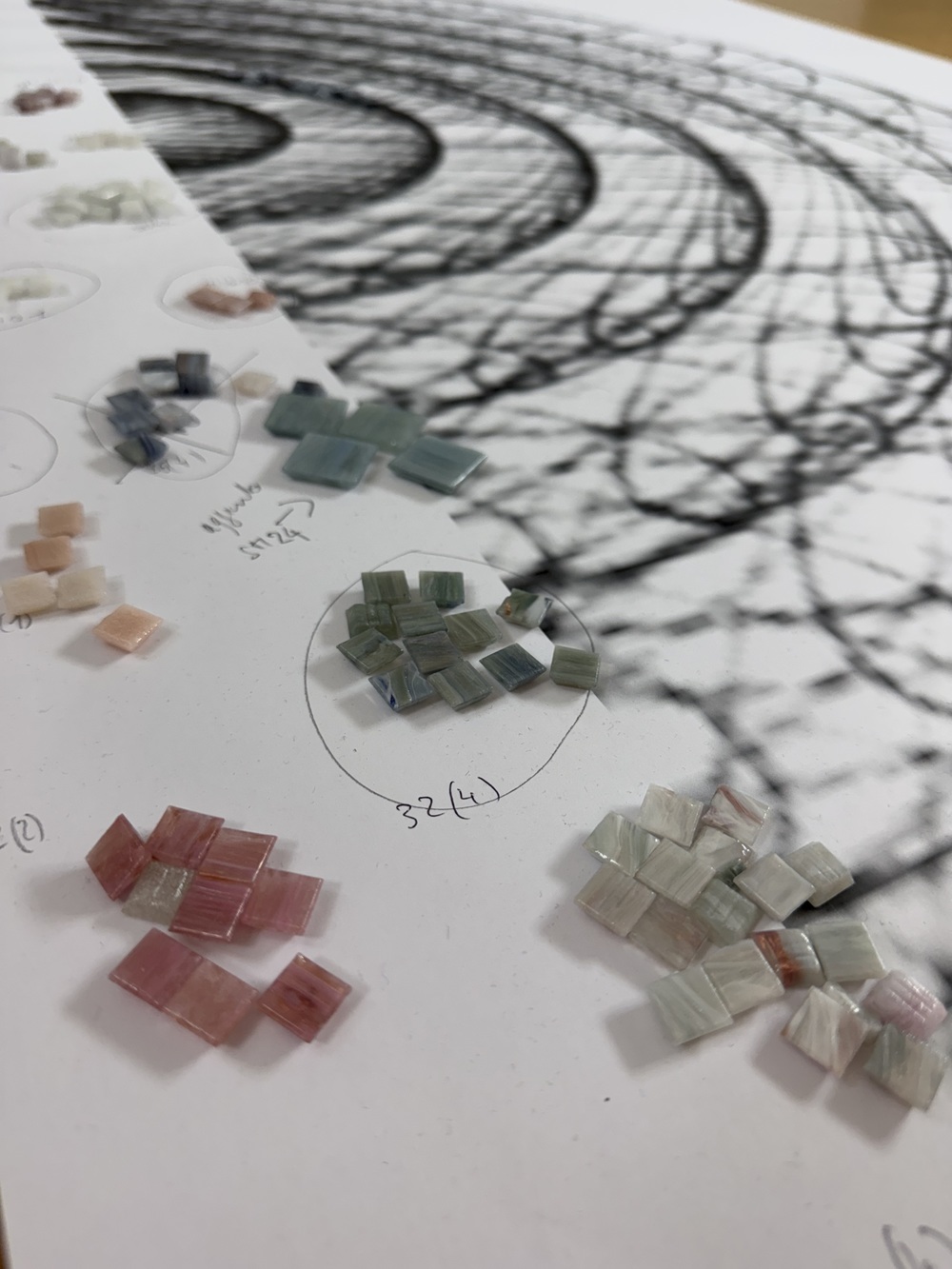
Lastly, before the journey ends in the Borges Labyrinth, visitors pass through the Cypress Cloister, once a place of prayer and study for the Benedictine monks who lived in this former monastery and would respond to the call to prayer given by the bells of San Giorgio's basilica. Inspired by this history, Twenty Silent Songs presents a series of 20 rectangular panels, each framing a circular aperture containing a pattern based on the vibrations made by the sound of 20 bells. Created by 20 international craft artists and ateliers practising 20 different crafts, including leather sculpting, stained glass, embroidery and featherwork, these patterned circles reveal the common inspirations that unite artisans all over the world.
A TAILORED EXPERIENCE
Present throughout the exhibition spaces will be 90 Young Ambassadors, talented students of design and craft from around the world who have been selected by Homo Faber to make the exhibition come alive for visitors.
Homo Faber 2026 will also include participatory workshops presented by Mazda, as well as bespoke gastronomic experiences, allowing visitors to immerse themselves even further in craftsmanship and curate their day according to their interests.
In addition to the exhibition, Homo Faber 2026 will include the return of Homo Faber in Città. As part of this city-wide programme, Casa Sanlorenzo – the cultural headquarters of Sanlorenzo Arts, overlooking the Basilica di Santa Maria della Salute – will serve as a key partner venue. Opened in 2025 and conceived as a permanent platform for dialogue between art, design and sustainability, Casa Sanlorenzo will host two exhibitions during Homo Faber 2026: one dedicated to master artisans from Venice and the Veneto, curated by Artemest, and another presenting craftspeople from Luxembourg, curated by De Mains De Maîtres Luxembourg. Meanwhile, the Venetian artisanal workshops present on Homo Faber Guide will throw open their doors to the public throughout the month of September, with suggested itineraries available online to help visitors plan their time. Lastly, on the occasion of Homo Faber 2026, a programme of craft events and exhibitions related to Venice and its rich craft heritage will be staged in beautiful locations and promoted on homofaber.com to help visitors enhance their stay in the lagoon city.